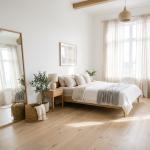
1. Maximize Natural Light with Strategic Mirrors
Natural light is your small space's best friend. It bounces around the room, creating an instant sense of airiness and openness. But what do you do when your windows alone aren't enough?
Enter the mirror—one of the most powerful tools in a small-space designer's arsenal. A well-placed wall mirror doesn't just add depth; it reflects available light, effectively doubling the brightness and visual space of a room. Position a large mirror opposite a window to maximize this effect, or use multiple smaller mirrors to create a gallery wall that serves both as art and a light-enhancing feature.
The key is thinking big: oversized mirrors create a more dramatic impact than several small ones, making walls appear to recede and rooms feel more expansive.
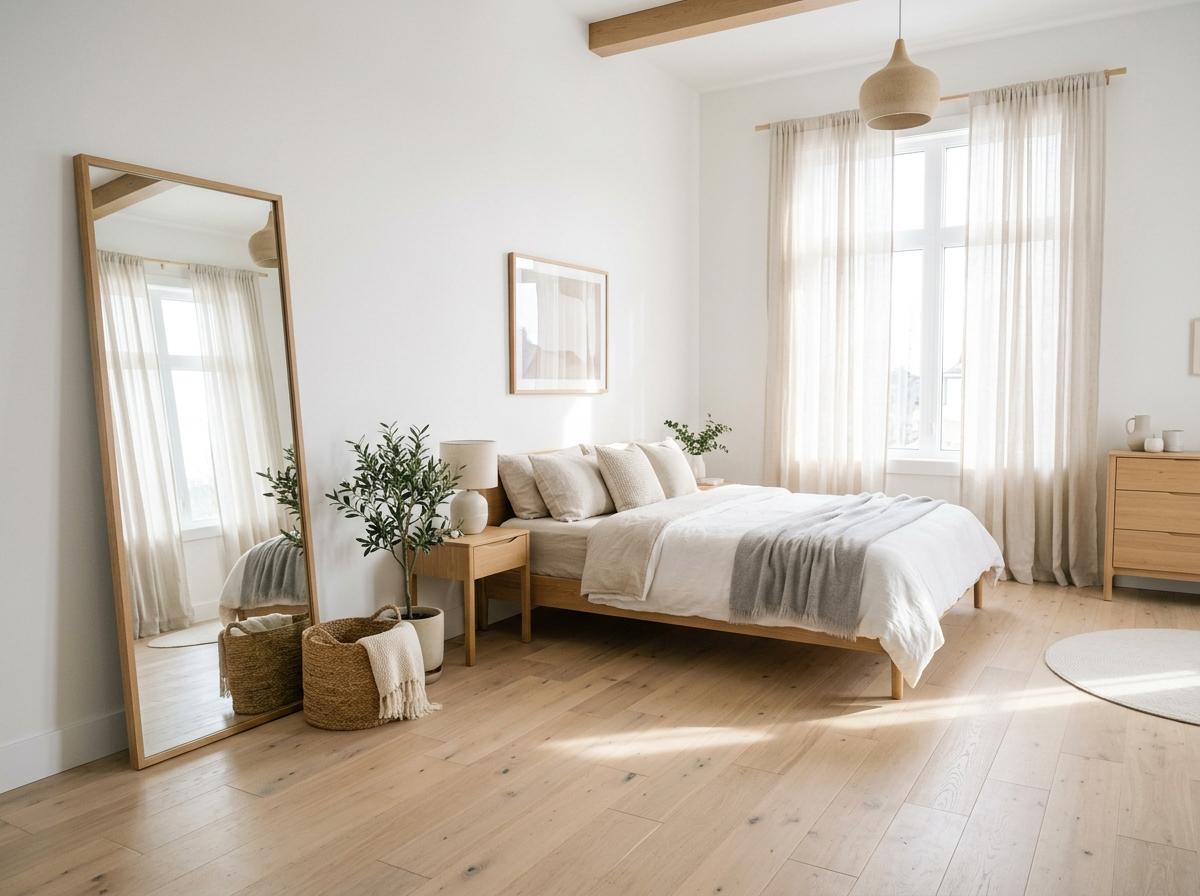
2. Embrace Light, Reflective Paint Colors
Color has the power to transform how we perceive space. Light paint colors—think crisp whites, soft beiges, and gentle pastels in blue, pink, or green—reflect natural light rather than absorbing it, making rooms feel brighter and more open.
Darker colors, while undeniably dramatic, tend to create visual boundaries that can make a space feel confined. Lighter hues, on the other hand, blur those edges and create a sense of continuity that extends beyond the actual walls.
For an even more expansive effect, consider painting your ceiling the same soft shade as your walls. This monochromatic approach eliminates visual breaks and draws the eye upward, making ceilings appear higher and rooms more voluminous.
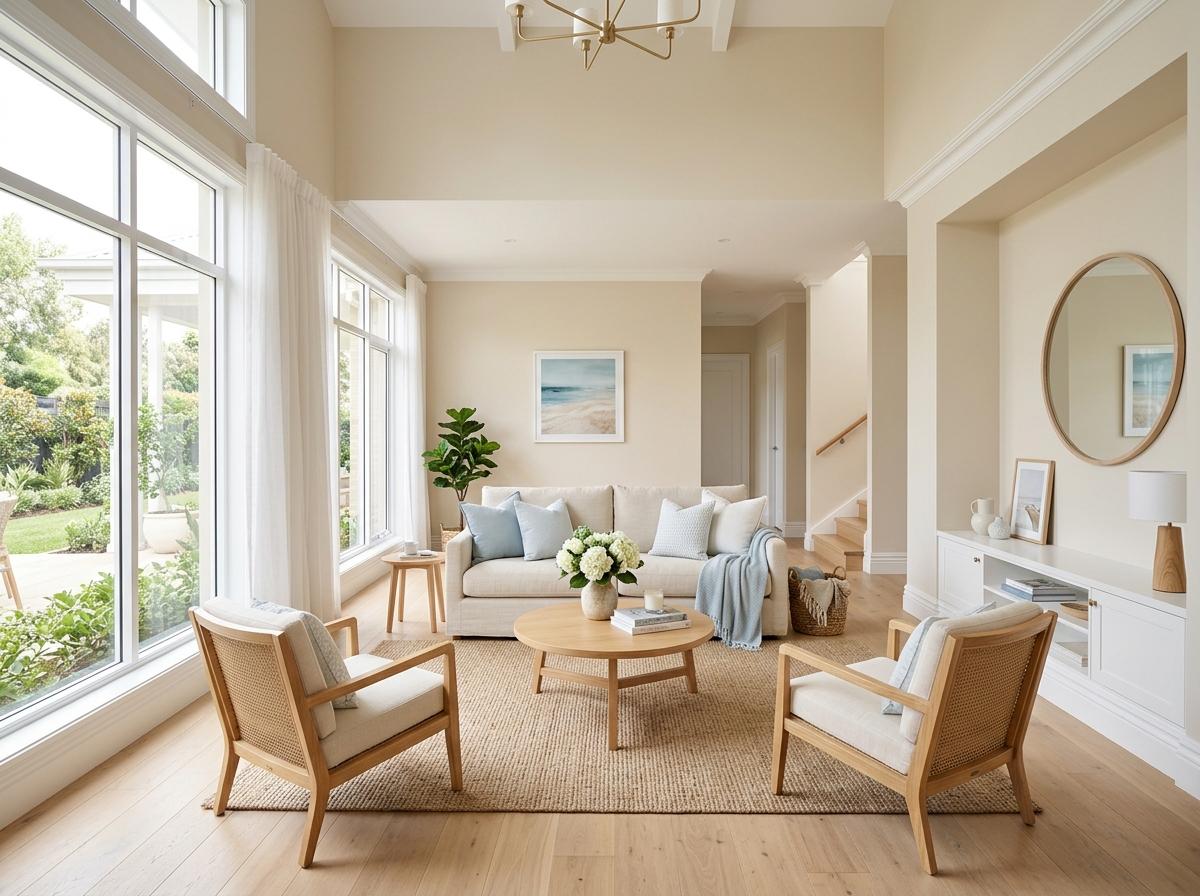
3. Choose Furniture That Fits Your Space
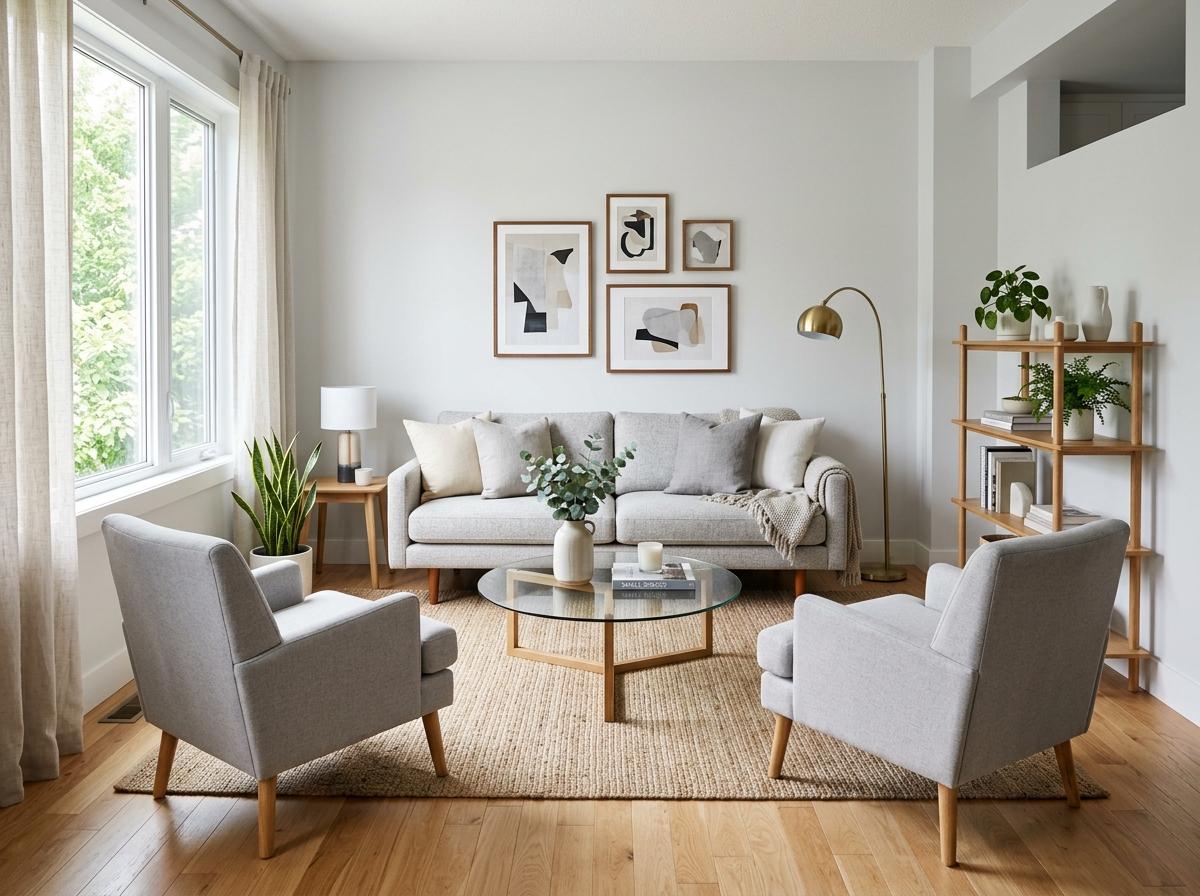
One of the biggest mistakes in small-space design? Overwhelming the room with oversized furniture. Just because you can fit a massive sectional doesn't mean you should .
The key is proportion. Select pieces that are scaled appropriately for your room, and prioritize furniture with exposed legs. Sofas, chairs, and tables that sit on legs rather than directly on the floor create visible space underneath, allowing light to flow through and giving the illusion of more square footage.
Arrangement matters, too. Pulling furniture away from walls (yes, really!) can actually improve circulation and make a room feel less boxy. Create conversation areas that encourage flow, and always keep pathways clear and open.
4. Invest in Multifunctional Pieces
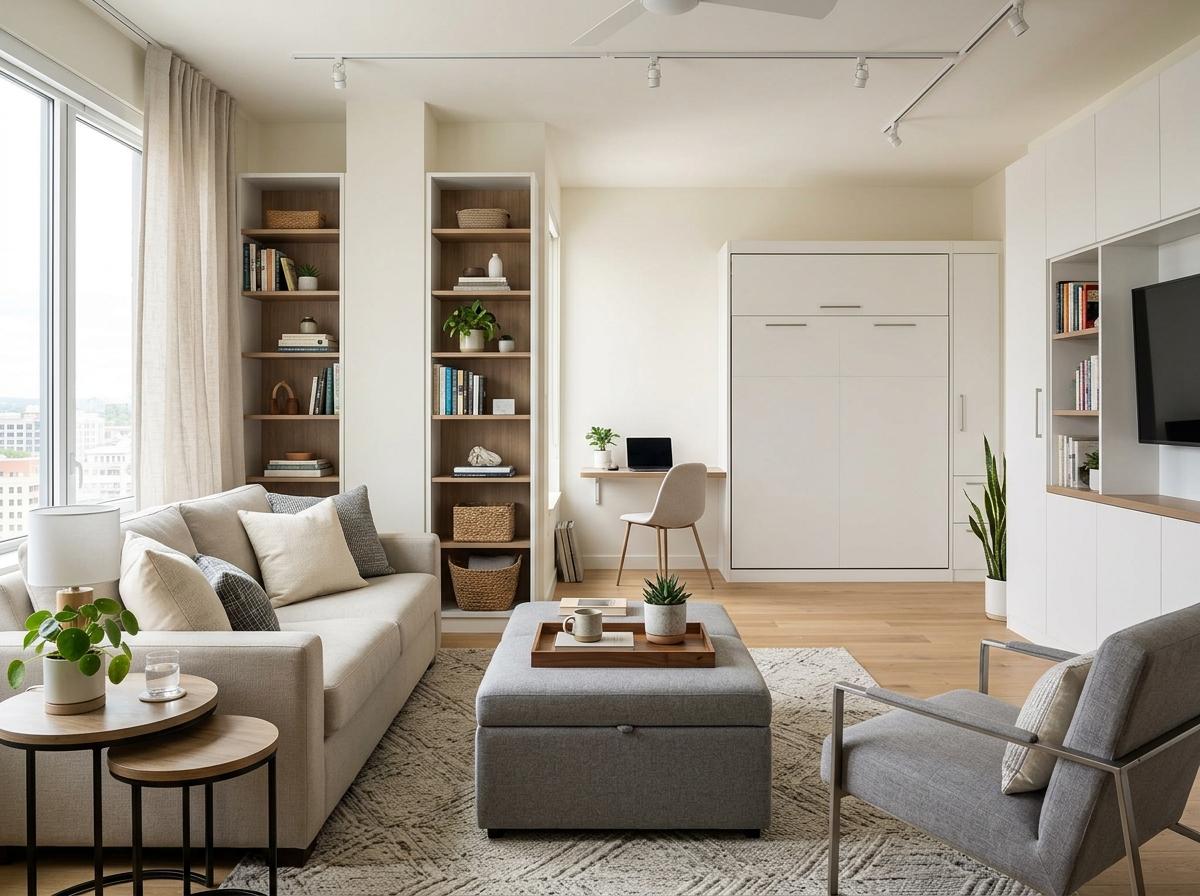
In a small space, every piece of furniture should earn its keep. Multifunctional furniture is the holy grail of compact living, offering storage, seating, and style without eating up precious floor space.
Think storage ottomans that double as extra seating, coffee tables with built-in shelving or drawers, and media consoles with ample hidden storage. Murphy beds, expandable dining tables, and nesting side tables are other excellent options that adapt to your needs without permanently occupying space.
The goal is to reduce clutter while maximizing functionality. When everything has a designated home and pieces serve multiple purposes, your space instantly feels more organized and spacious.
5. Utilize Vertical Space
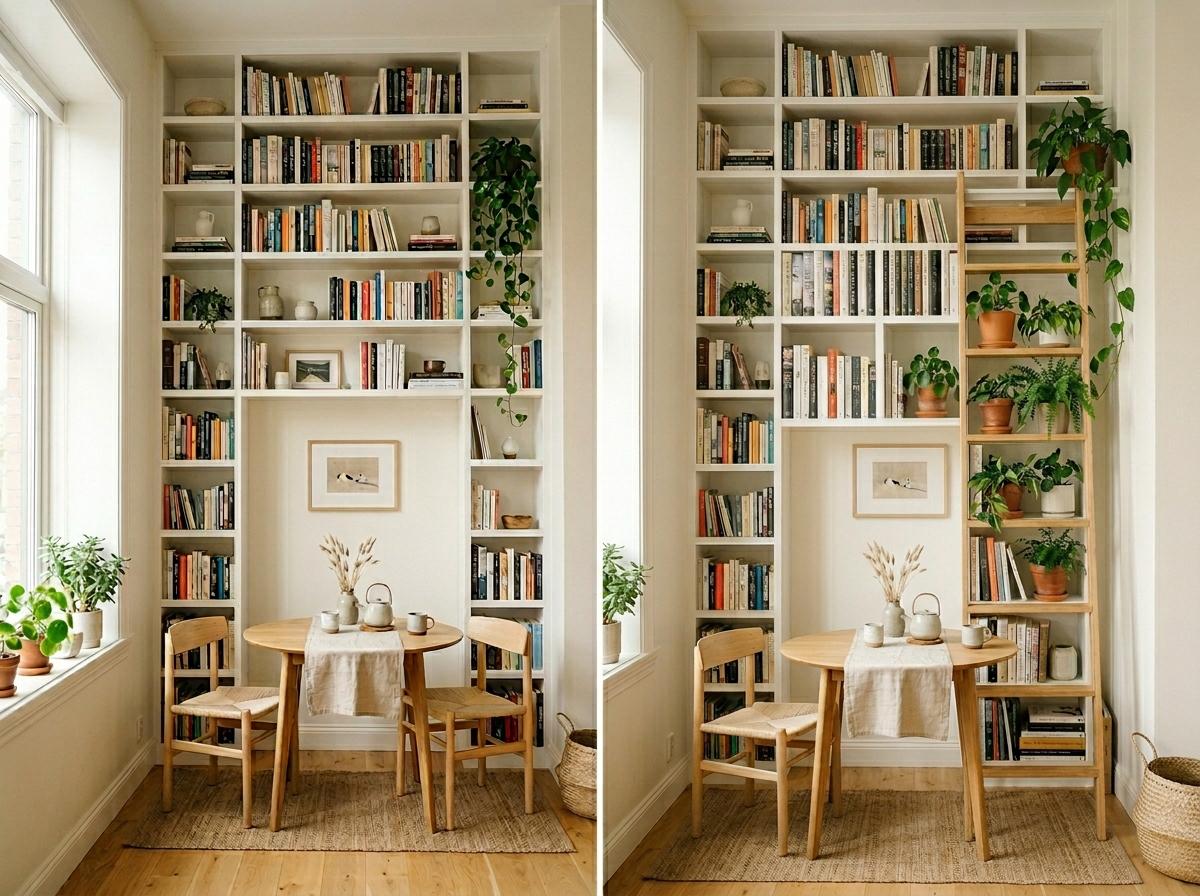
Small homes may lack square footage, but they often have plenty of vertical real estate waiting to be used. Floor-to-ceiling shelving, tall bookcases, and wall-mounted storage solutions draw the eye upward and free up valuable floor space.
Don't overlook awkward nooks and corners, either. A narrow ladder shelf can house books, plants, and decorative objects in the slimmest of spaces. Console tables aren't just for entryways—they can work as desk spaces, buffet stations, or display areas in tight spots.
The trick is thinking vertically and creatively. Every inch of wall space is an opportunity for storage or display that doesn't encroach on your living area.
6. Hang Curtains High and Light
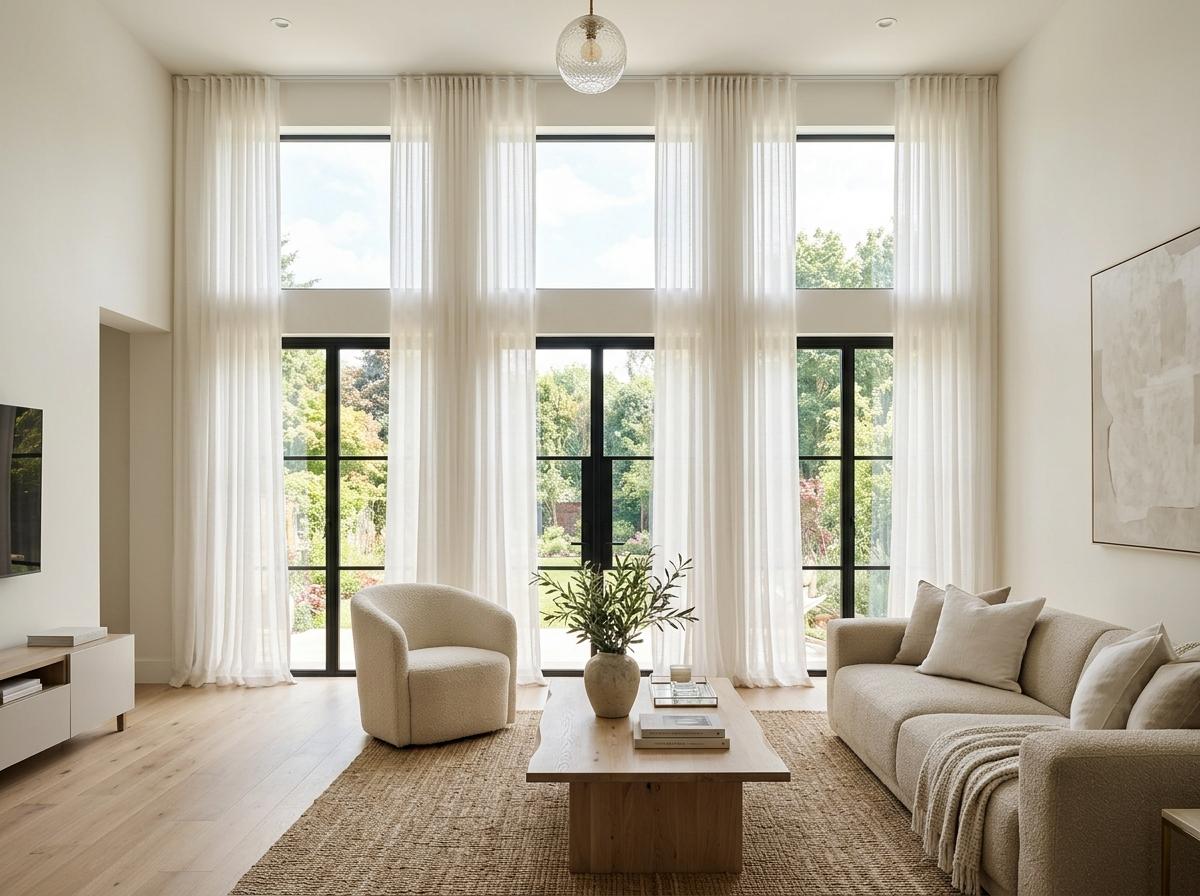
Window treatments might seem like a finishing touch, but they're actually a powerful design tool for small spaces. The secret? Hang your curtain rods as close to the ceiling as possible, not just above the window frame.
This simple trick creates the illusion of taller ceilings and larger windows, making the entire room feel more grand. Extend the rod several inches beyond the window on each side, too, so curtains frame rather than cover the glass when open, allowing maximum light to enter.
Choose sheer, lightweight fabrics in white or natural linen to maintain brightness and airiness. Heavy drapes in dark colors can weigh down a space, while flowing, light-filtering curtains enhance that coveted sense of openness.
The Bottom Line
Making your home feel larger isn't about major renovations or expensive upgrades. It's about working with design principles that enhance light, create visual continuity, and maximize every inch of space. By implementing these six strategies—maximizing natural light, choosing light colors, selecting appropriately scaled furniture, investing in multifunctional pieces, utilizing vertical space, and hanging curtains strategically—you can transform even the smallest space into a home that feels open, inviting, and surprisingly spacious.
Remember: small space living is an art form. With the right approach, your compact home can be every bit as stylish and comfortable as a sprawling estate.